

A door manufacturer wanted to move away from manually prepared client quotations and introduce a digital quotation system. On the surface it looked like a straightforward application project.
Discovery found something more fundamental: there was no reliable source of inventory data for the quotation system to use. Inventory information sat across vendor-specific spreadsheets and a closed invoicing system, was frequently re-entered by hand, and could be reached by only a handful of people.
Before the quotation process could be digitized, the information underneath it had to be brought together.
The quotation system couldn’t be better than its data
The company’s inventory lived in a collection of vendor-specific spreadsheets, each with its own formats, naming conventions and structure. None of it connected to the invoicing system, where details from manually prepared and approved quotations were re-entered by another member of the team.
That produced a familiar set of problems:
- Inventory information fragmented across multiple spreadsheets.
- Different people maintaining different sources of information.
- Data drifting out of sync.
- Finding a product meant navigating several files.
- Sales staff with no reliable inventory source they could reach independently.
- An invoicing system being asked to act as an inventory database it was never designed to be.
The original request was for a digital quotation system. Building that first would simply have digitized a broken information flow.
The problem underneath the problem
A digital quotation system needs reliable data. Before a salesperson can generate a quote, the system has to know:
- Which products exist
- Which vendor supplies them
- Available sizes and specifications
- Product attributes
- Pricing and other relevant inventory information
That information already existed — it just wasn’t organized in a way software could reliably use. So the project changed direction. Before building the quotation system, we needed to create a centralized inventory source.
That became the foundation for everything that followed.
From disconnected spreadsheets to a centralized inventory system
We collected the company’s existing vendor spreadsheets and transformed them into a consistent data structure:
- Data consolidation — gathering inventory information from multiple vendor-specific spreadsheets.
- Data normalization — standardizing inconsistent product names, attributes, sizes and other fields so the information could be treated as one coherent dataset.
- A centralized database — importing the normalized inventory into PostgreSQL, creating a single source of truth for the company’s product information.
- An inventory application — a React application that lets the team work with the centralized inventory without navigating the underlying spreadsheets.
Users can search and manage inventory by vendor, product, size, specification and other relevant attributes. The backend team now updates inventory directly within the application rather than maintaining multiple spreadsheets by hand.
A foundation for digital quoting
The immediate result wasn’t the quotation system the client originally requested. It was something more fundamental: reliable, centralized inventory data that the quotation system could eventually depend on.
The business moved from fragmented vendor spreadsheets to a structured inventory database with a dedicated interface for managing it. The information became centralized, searchable, consistent, easier to maintain, accessible to the appropriate team members — and available to other applications.
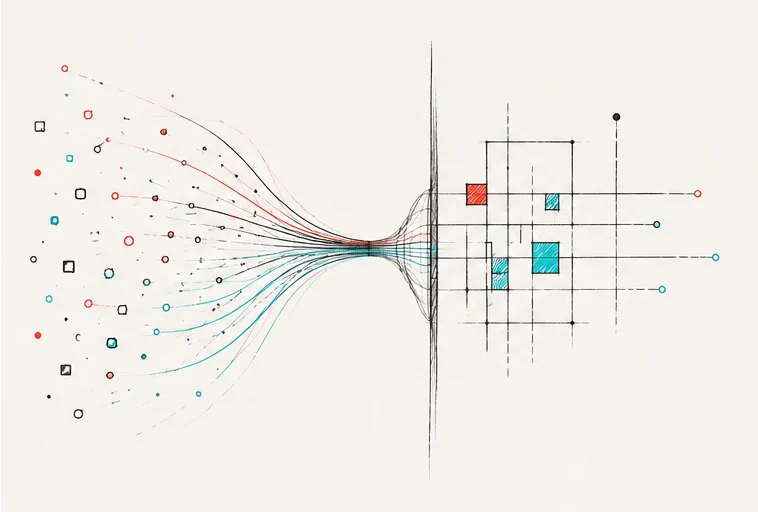
Where inventory once meant three vendor spreadsheets, a manual quote, a closed invoicing system and a round of manual re-entry, vendor data now flows into a normalized database, through the inventory application, and on to whatever gets built next.
The quotation system could now be built on top of reliable information, rather than compensating for unreliable information underneath it.
Sometimes the right solution isn’t the one you were asked to build
The client’s request was for a digital quotation system. Discovery revealed that building it immediately would have created another layer on top of an existing information problem.
Instead we stepped back and addressed the foundation first. The inventory application became the first layer of a broader digital workflow — one that can eventually support quoting and other systems without requiring the business to maintain competing sources of information.
Good technology doesn’t just digitize an existing process. It creates the foundation for better processes to follow.